A biobased material system for circular, high-performance textiles.
Sense-Tex is not just a textile, it is a patented bio-based material system designed for the next generation of circular, high-performance products. Built from a carefully engineered combination of bio-based and functional fibers, Sense-Tex integrates durability, moisture regulation, antibacterial performance, UV protection, and electrical conductivity directly into the material structure.
Instead of relying on chemical coatings or post-processing treatments, functionality is embedded at the fiber level. This ensures long-lasting performance while also enabling integration of embedded or external sensor systems. The textile becomes more than a passive material, it becomes part of a functional system.
At its core, Sense-Tex is designed for mechanical reversibility. This means the fibers are not locked into permanent mixed waste, but can be separated and recovered. Through the Re:Weave system, this allows true fiber-to-fiber recycling, connecting material design directly to circular infrastructure.
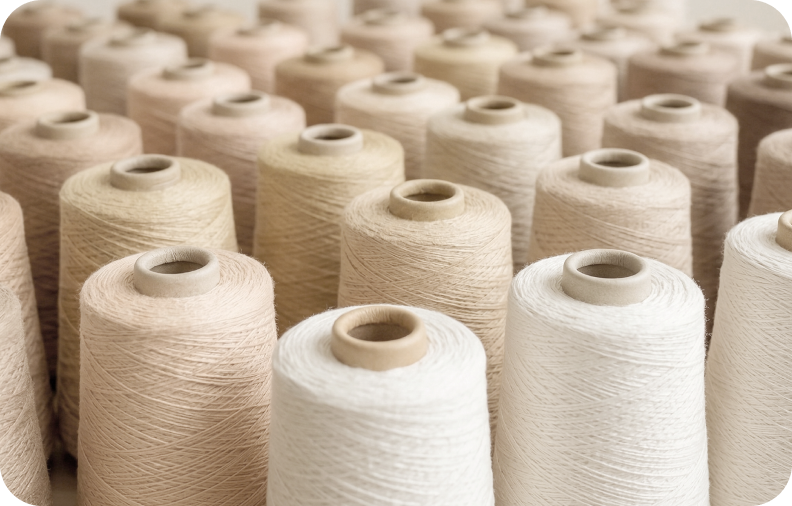
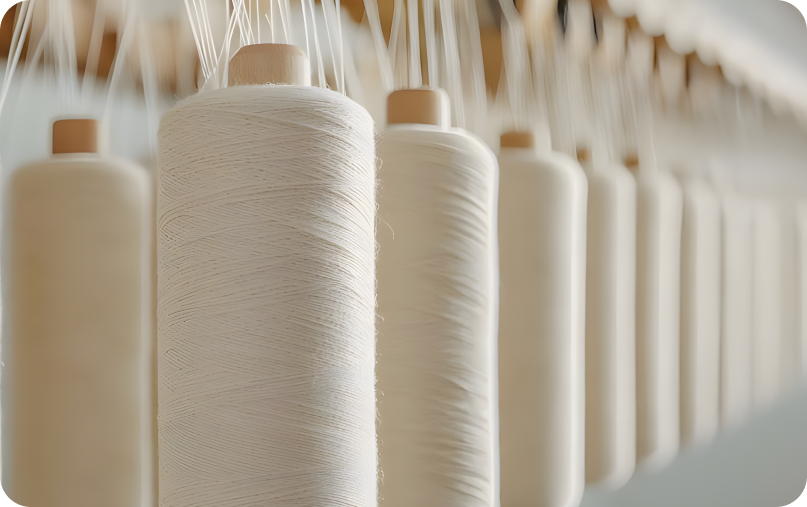
Most textiles today are designed to perform during use, but not to retain value after use. Functionality is typically added through coatings and chemical treatments that degrade over time, increase production complexity, and make materials difficult to recover at the fiber level.
At the same time, the regulatory landscape is changing rapidly. Frameworks such as the Ecodesign for Sustainable Products Regulation, Digital Product Passports, Extended Producer Responsibility, the Waste Framework Directive, and broader initiatives like CSRD, CSDDD, Green Claims regulation, and Product Environmental Footprint are reshaping expectations around how textiles are designed, documented, and recovered.
These frameworks are no longer future considerations. They are becoming baseline requirements. Materials must be traceable, durable, verifiable, and circular by design. Sense-Tex was developed to meet this shift at the material level.
Sense-Tex is built as a biobased system architecture, where multiple fibers are engineered to function together within one integrated yarn. Each fiber contributes a specific role within the system, from skin interaction and comfort to structural strength, antibacterial function, conductivity, and electrostatic behavior.
What makes Sense-Tex different is not a single fiber, but the way the system works as a whole. Performance is embedded into the structure rather than added afterward. This reduces dependency on external treatments while improving stability and durability over time.
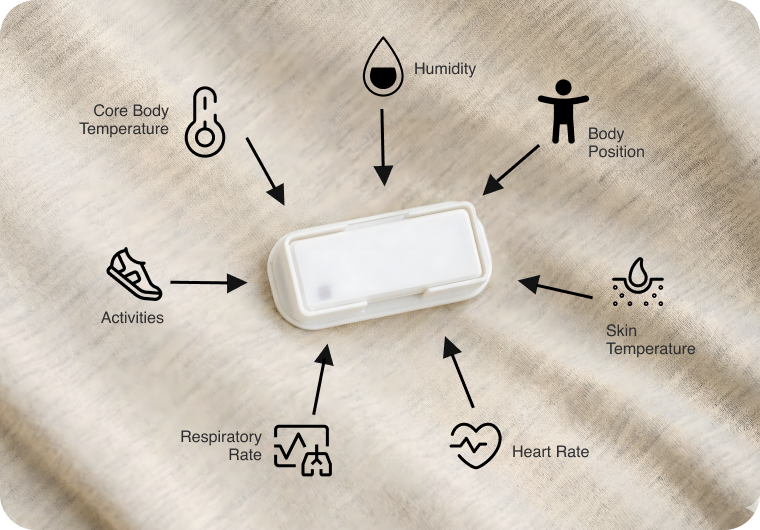
Because conductivity is built into the fiber system, Sense-Tex can support embedded sensors or external sensing systems without requiring additional layers or complex assemblies. This allows textiles to monitor temperature, moisture, pressure, or biological signals, transforming them into active system interfaces.
At the same time, the architecture is designed for mechanical reversibility. This allows the material to be taken apart and its fibers recovered, creating the conditions needed for true circularity through Re:Weave.
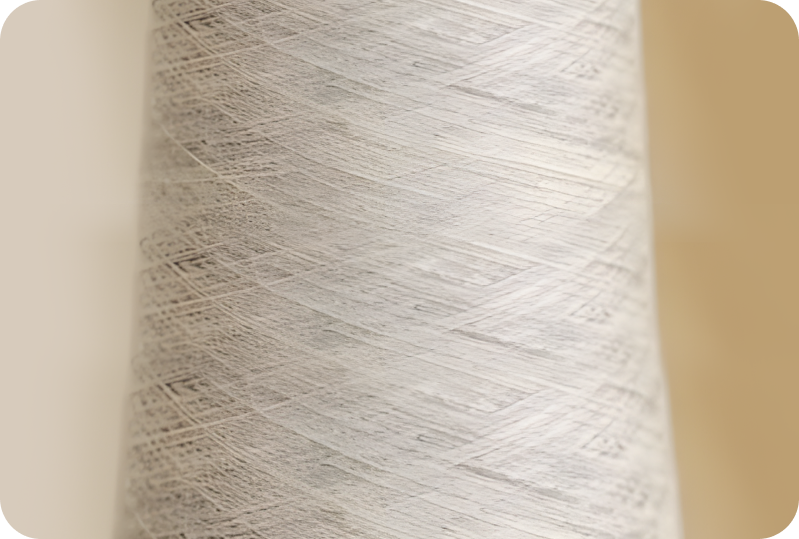
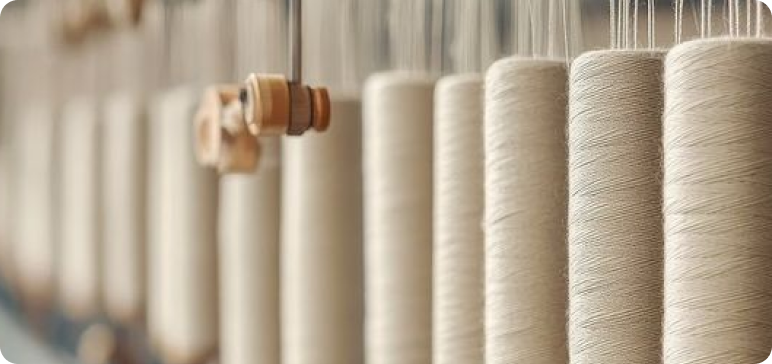
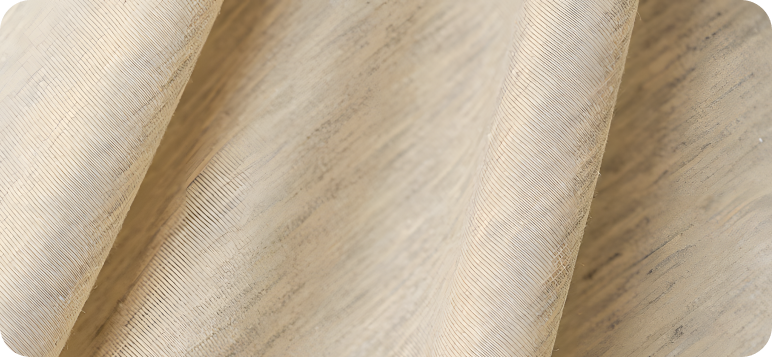
The technical foundation of Sense-Tex lies in its ability to combine multiple functions within a single biobased material structure. Instead of layering performance onto a finished textile, functionality is physically integrated into the yarn architecture itself. This approach changes how performance behaves over time. It does not wash out, wear off, or degrade in the same way as surface treatments.
The integration of conductive elements allows the textile to carry electrical pathways, making it possible to connect sensors directly to the material without adding separate systems. This reduces complexity while enabling new forms of interaction between textiles, users, and environments.
At the same time, the material is engineered for disassembly. Mechanical reversibility ensures that fibers can be separated rather than permanently fused, preserving material value beyond a single lifecycle. This is a key condition for circular recovery.
The system has been validated through laboratory testing, including antibacterial performance, UV protection, electrostatic behavior according to European standards, and microscopic verification of embedded functional elements through SEM and EDS analysis. Together, these results confirm that the material performs not only conceptually, but technically.
Sense-Tex is designed to integrate into real product development processes, not just research environments. It can be used as a standalone material system for products that require a strong combination of performance, hygiene, durability, and circular readiness.
It can also be introduced into existing textile constructions, allowing brands and manufacturers to gradually integrate functionality and bio-based content without redesigning entire product lines.
As a general guideline, incorporating around ten percent Sense-Tex into a textile can contribute to alignment with emerging EU bio-based and circularity targets. This depends on the final composition, product category, and the verification requirements associated with frameworks such as Digital Product Passports and lifecycle analysis.
Because the system includes embedded conductivity, Sense-Tex also enables the development of smart textiles. Products can be designed where the material itself acts as both structure and interface, reducing the need for additional sensor layers or external components.
The integration process typically involves prototyping and testing to ensure performance aligns with the intended application. TTAB supports this through technical consultancy, helping partners optimize composition, manufacturability, and functionality.
To maintain consistency and credibility, Sense-Tex branding is applied only to validated products developed in collaboration with TTAB. Independent use remains possible, but responsibility for performance and claims rests with the client.
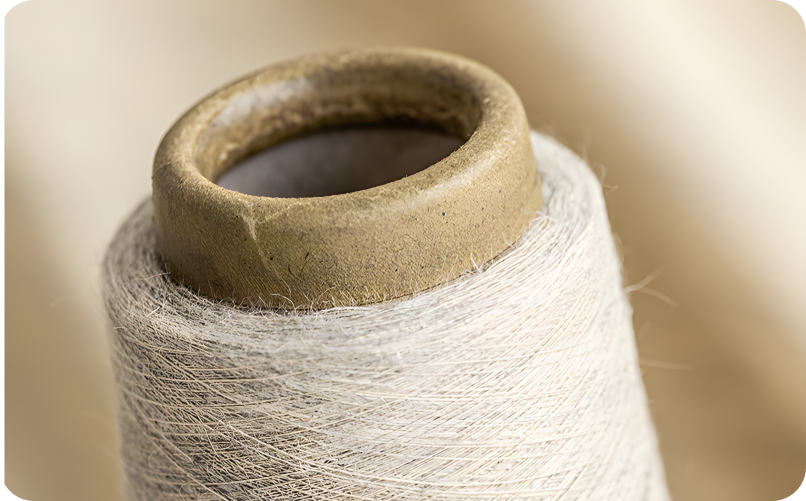

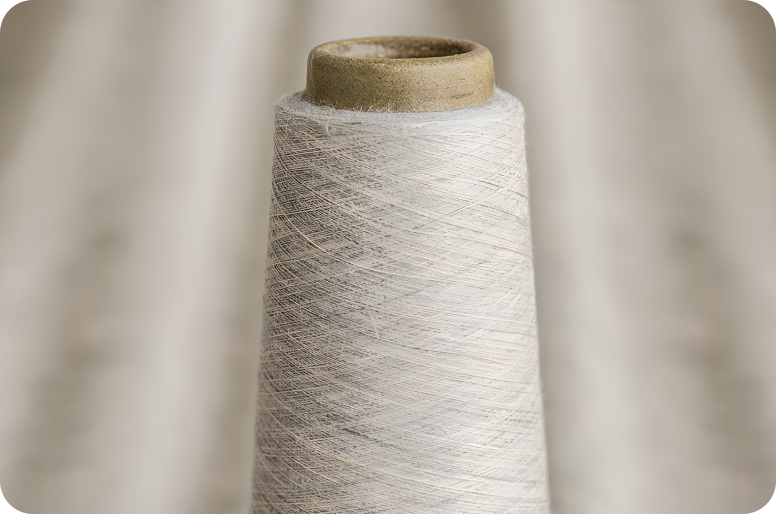
Sense-Tex matters because it addresses multiple challenges simultaneously. It improves material performance while reducing reliance on chemical treatments. It supports longer product lifecycles and more stable functionality. It enables sensor-integrated textile systems without increasing complexity. And it provides a clearer path toward compliance with emerging regulatory frameworks.
More importantly, it changes the role of textiles. Instead of being consumable surfaces, they become recoverable system components. This creates new opportunities for both product design and business models, where value is not lost after use but retained within the material system.
Sense-Tex is therefore not only a better textile. It is a biobased performance, compliance, and system strategy combined into one material platform.
Because Sense-Tex is a system rather than a single-use material, it can be adapted across multiple sectors. In fashion and lifestyle, it supports comfort, durability, and reduced chemical dependency. In workwear and defense, it provides hygiene, electrostatic control, and robust performance. In healthcare, it enables antibacterial functionality and skin compatibility. In space and advanced environments, it offers lightweight, multi-functional, and conductive material systems that reduce overall system complexity.
This adaptability is one of its core strengths. The same underlying architecture can be translated into different performance environments without losing its fundamental properties. And when combined with embedded or external sensors more smart textile products and solutions can easily be made.
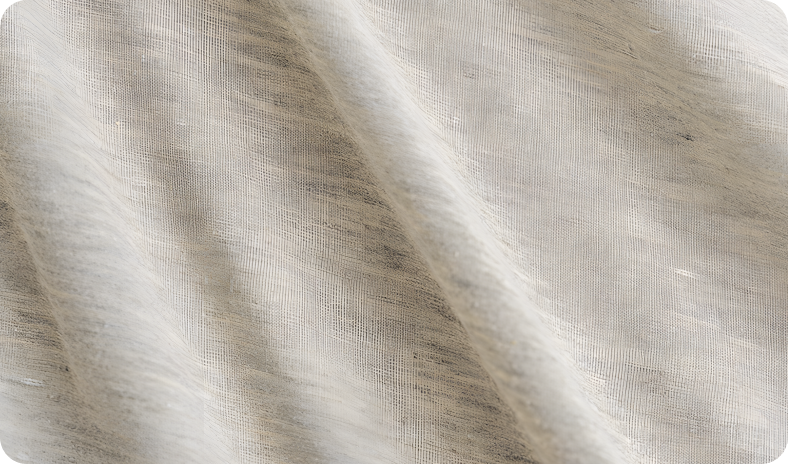
Sense-Tex is designed for disassembly, but recovery only becomes possible within the right system. That system is Re:Weave.
Sense-Tex enables circularity at the material level by making fibers recoverable. Re:Weave enables circularity at the system level by making recovery operational. Together, they form a complete loop where materials can be separated, processed, and reintegrated into new products.
Without Sense-Tex, recovery is limited. Without Re:Weave, recovery cannot scale. Together, they make circular textiles possible in practice.
Sense-Tex is built for a new generation of products that need to perform, comply, and evolve within a circular system. It offers a way to combine material innovation, system functionality, and regulatory alignment in one integrated platform. For companies developing textiles across fashion, industry, healthcare, defense, or advanced environments, Sense-Tex provides a foundation that is both technically advanced and commercially relevant. Explore Re:Weave or contact TTAB to begin integration, prototyping, and development.